Multi-Channel Marketing: Why One Channel Isn't Enough
What Is the Difference Between Single-Channel and Multi-Channel Marketing?
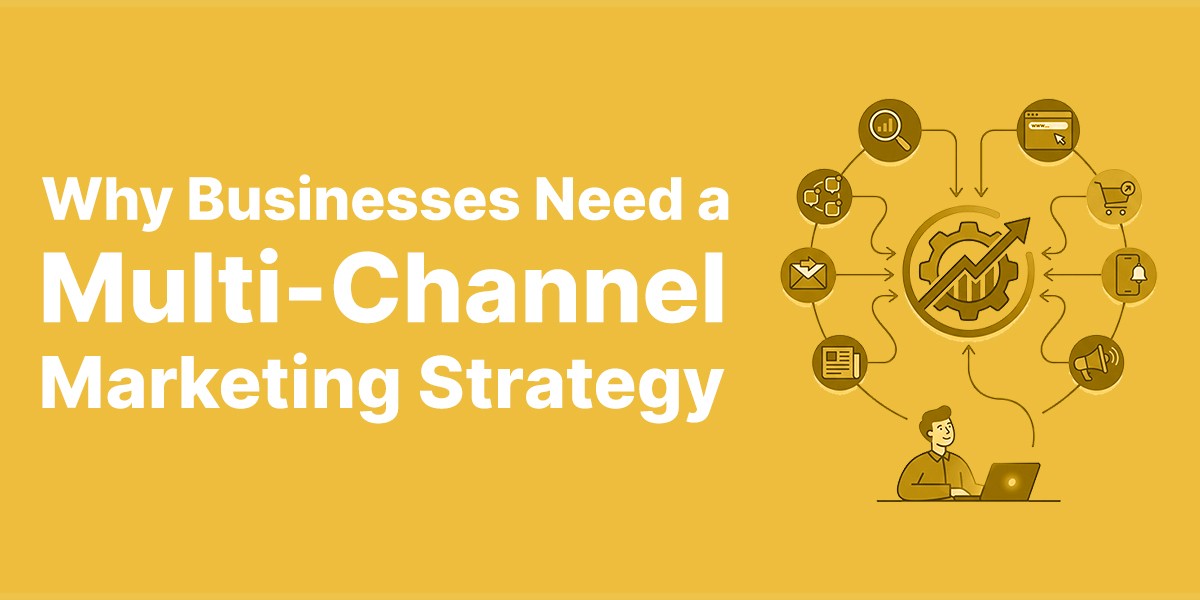
Quick answer: Single-channel marketing concentrates all effort on one platform. Multi-channel marketing distributes consistent messaging across multiple channels to reach customers wherever they engage.
Single-channel marketing is relying solely on paid search or one social platform. It creates fragility - if that channel’s algorithm changes or costs spike, the revenue drops immediately. Multi-channel marketing spreads risk and compounds visibility by combining SEO services, social media, email and video content, so that a service for SEO dip on one platform does not sink the whole business. This is true when paired with organic SEO services, because search remains the backbone that most other channels like email signups, social discovery, and even AI search results ultimately point back to.
SEO vs Paid Social: Which Channels Should You Prioritize for Multi-Channel Growth?
For businesses that are navigating slow seasonal foot traffic or year-round tourism demand in states like Florida, it is essential to prioritize channels depending on buyer intent and timeline. Search-driven channels like organic SEO consultant-led content capture the high-intent buyers who are actively searching for solutions, while paid social captures attention before the intent forms. Neither works well alone and need to be paired up with the other.
Is organic SEO better than paid social for multi-channel strategy? Neither should stand alone, but organic channels, particularly eCommerce SEO services for online retailers, build compounding equity that reduces long-term acquisition costs, while paid social and video fill the top of the funnel with awareness. Businesses that rely only on paid socials often see costs rise as ad auctions get more competitive, particularly in saturated markets such as the D2C space in California. A best SEO agency USA partner typically recommends anchoring the strategy in affordable SEO services, then layering paid and social on top once organic foundations are solid.
How Do You Choose the Right Channel Mix for Your Business?
Building an effective multi-channel strategy means matching channels to your specific audience and resources:
Start with organic SEO services to rank on first page of Google as your foundation.
Search traffic is durable and doesn't disappear when ad budgets pause, making it the most cost-efficient long-term channel.Add email marketing to retain traffic you've already earned.
Customers who found you through ecommerce SEO consultant-optimized product pages convert better when nurtured through follow-up email.Layer in video editing services for platforms like YouTube and TikTok.
Video content extends reach to audiences who don't actively search but respond to visual storytelling.Use paid social for testing and fast feedback.
Before committing budget to organic content topics, paid social can validate messaging quickly.Run a technical SEO audit services for website performance check before scaling channels.
A slow or poorly indexed site undermines every other channel's traffic once visitors land on it.Consider white label SEO services if managing multiple client channels. Agencies juggling several brands benefit from a white label SEO agency partnership to maintain quality across every account.
Frequently Asked Questions
Q.1. How many marketing channels does a business actually need?
There's no universal number, but most businesses see the strongest returns from 3-4 well-executed channels rather than a thin presence across many. Start with organic SEO services as the foundation, then add one or two channels, email and social are common next steps that match where your specific audience spends time. A SEO agency in US partner can help identify which channels align with your industry before you overextend resources.
Q.2. Is multi-channel marketing more expensive than single-channel?
Not necessarily. While it requires more coordination, multi-channel strategies often lower overall cost-per-acquisition because organic channels like affordable SEO services reduce dependence on paid spend over time. Businesses that skip organic SEO and rely purely on paid channels across multiple platforms typically pay more, not less, since every channel is competing for the same paid attention.
Q.3. How does SEO fit into a multi-channel strategy if it's not "social"?
SEO is the connective tissue of multi-channel marketing. Content built for international SEO services or ecommerce SEO services for product ranking on Google gets repurposed into social posts, email content, and even video scripts, meaning a single piece of SEO-driven content fuels multiple channels simultaneously. Businesses working with a seo service company that understands this cross-channel value tend to get more output from the same content budget.
Q.4. What's the biggest mistake businesses make with multi-channel marketing?
Treating channels as separate silos with inconsistent messaging is the most common error. A customer who sees one brand voice on your website and a completely different tone on social media loses trust in the brand's credibility. Working with a best SEO and social media agency in the US that manages strategy holistically rather than separate vendors for each channel keeps messaging aligned and ensures every touchpoint reinforces the same brand story.
Ready to Find a Multi-Channel Marketing Partner You Can Actually Rely On?
A multi-channel strategy only works when the SEO foundation underneath it is solid, otherwise you're just spreading a weak signal across more platforms. Unwork9 LLP works as a dependable white label SEO partner for agencies and brands across the US, helping build the organic foundation that makes every other channel perform better, with transparent reporting and real scalability built in from day one.
Get in touch with Unwork9 LLP to see if we're the right partner to power your multi-channel growth.